









Add Comment ![]() The strange case of solar flares and radioactive elements
When researchers found an unusual linkage between solar flares and the inner life of radioactive elements on Earth, it touched off a scientific detective investigation that could end up protecting the lives of space-walking astronauts and maybe rewriting some of the assumptions of physics. It's a mystery that presented itself unexpectedly: The radioactive decay of some elements sitting quietly in laboratories on Earth seemed to be influenced by activities inside the sun, 93 million miles away. Is this possible? ![]() The special effects in Toy Story, Harry Potter and other blockbusters would not be possible without the complex field of fluid dynamics.
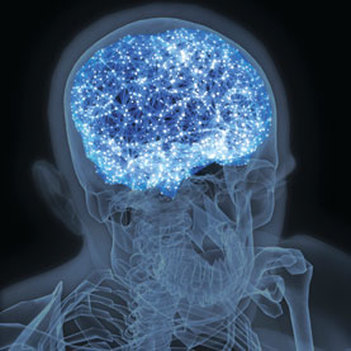
The next time you take in a movie, you may be getting a lesson in cutting-edge physics without even knowing it. Hollywood has embraced the complex field of fluid dynamics, the study of how water, air, smoke and other fluids move, in a big way, allowing filmmakers to create realistic scenes of turbulent oceans and falling buildings -- not to mention the quirks of Jeff Bridges' face. ![]() A single neuron sits in a petri dish, crackling in lonely contentment. From time to time, it spontaneously unleashes a wave of electric current that travels down its length. If you deliver pulses of electricity to one end of the cell, the neuron may respond with extra spikes of voltage. Bathe the neuron in various neurotransmitters, and you can alter the strength and timing of its electrical waves. On its own, in its dish, the neuron can’t do much. But join together 302 neurons, and they become a nervous system that can keep the worm Caenorhabditis elegans alive—sensing the animal’s surroundings, making decisions and issuing commands to the worm’s body. Join together 100 billion neurons—with 100 trillion connections—and you have yourself a human brain, capable of much, much more. Entire Article: http://www.scientificamerican.com/article.cfm?id=100-trillion-connections |


